Key Differences Between JAMB and Post-UTME Exams
Navigating the path to securing admission into Nigerian tertiary institutions can be challenging for prospective students. Two significant steps in this process are the Joint Admissions and Matriculation Board (JAMB) exam and the Post-UTME exam.
While both exams are essential, they serve different purposes and differ in structure, format, and significance. Understanding these differences can help students prepare effectively and achieve their academic goals.
Table of Content
Key Differences Between JAMB and Post-UTME
Similarities Between JAMB and Post-UTME
Which is More Important: JAMB or Post-UTME?
What is JAMB?
The JAMB exam, officially called the Unified Tertiary Matriculation Examination (UTME), is a standardized test conducted by the Joint Admissions and Matriculation Board. It is the first step for gaining admission into universities, polytechnics, colleges of education, and other tertiary institutions in Nigeria.
Key Features of JAMB:
- Subjects: Students are tested in four subjects, including English Language (compulsory) and three other subjects relevant to their intended course of study.
- Mode: It is a computer-based test (CBT).
- Duration: The exam typically lasts for 2 hours.
- Scoring: The total score is 400, with each subject contributing 100 marks.
- Purpose: It determines eligibility for admission and serves as a screening test for tertiary institutions.
What is Post-UTME?
The Post-UTME (Post-Unified Tertiary Matriculation Examination) is an additional screening test conducted by individual tertiary institutions after the JAMB exam. It is used to further evaluate candidates’ readiness for admission.
Key Features of Post-UTME:
- Subjects: The questions are usually drawn from the candidate’s JAMB subject combination, but the exam may also include general knowledge or institution-specific questions.
- Mode: It can be computer-based or paper-based, depending on the institution.
- Duration: The duration varies across institutions, typically ranging from 30 minutes to 1 hour.
- Scoring: The total score varies but is usually combined with JAMB scores to determine eligibility.
- Purpose: It serves as a second screening to ensure that only the most qualified candidates are admitted.
Key Differences Between JAMB and Post-UTME
| Feature | JAMB (UTME) | Post-UTME |
|
Organizing Body |
Conducted by JAMB, a central examination body. |
Conducted by individual institutions. |
| Purpose |
A general screening test for eligibility to enter tertiary institutions. |
A secondary screening to assess readiness for a specific institution. |
| Format | Always computer-based. | Can be computer-based or paper-based. |
| Scoring System | Scored out of 400. | Scores vary and are determined by each institution. |
| Syllabus | Based on the official JAMB syllabus. | Based on the institution’s specific guidelines. |
| Weight in Admission |
A significant factor in determining eligibility. |
Complements the JAMB score to finalize admission decisions. |
| Cost |
Standardized registration fee across Nigeria. |
Varies by institution. |
Similarities Between JAMB and Post-UTME
Despite their differences, JAMB and Post-UTME share some similarities:
- Both assess candidates’ academic readiness for tertiary education.
- Both influence a candidate’s admission chances.
- They require preparation in the same subject areas for consistency.
How to Prepare for JAMB
Preparing for the Joint Admissions and Matriculation Board (JAMB) exam requires strategic planning, consistent effort, and the right resources. Here’s a detailed guide:
1. Understand the JAMB Exam Structure
- Subjects: You’ll write exams in four subjects, with English Language being compulsory. The other three depend on your intended course of study.
- Scoring: Each subject is scored out of 100, totaling 400.
- Duration: The exam typically lasts for 2 hours.
2. Obtain the Right Materials
- JAMB Syllabus: The official syllabus outlines all the topics and subtopics you need to study for each subject.
- Past Questions: Review past questions to understand the exam format and frequently tested topics.
- Textbooks: Use textbooks recommended in the JAMB syllabus.
3. Create a Study Schedule
- Allocate specific times daily to study each subject.
- Focus more on weaker subjects but maintain a balance to avoid neglecting others.
- Include breaks to avoid burnout.
4. Use CBT Practice Tools
- JAMB is a Computer-Based Test (CBT), so practicing with CBT apps or software can help you get comfortable with the interface.
- Simulate exam conditions by timing yourself while practicing.
5. Master Time Management
- Learn to manage time during the exam to avoid leaving questions unanswered.
- Practice answering questions quickly but accurately.
6. Focus on the Compulsory English Language
- English has comprehension passages, lexis and structure, oral English, and literature.
- Dedicate extra time to mastering these sections, as English is critical for scoring high.
7. Stay Updated on Current Affairs
- Some questions, especially in subjects like Government or English Language, may include general knowledge or current events.
- Read newspapers, follow reputable news sources, and study JAMB-recommended current affairs materials.
8. Join Study Groups or Tutorials
- Collaborating with peers can provide new insights and keep you motivated.
- Seek guidance from knowledgeable tutors if necessary.
9. Take Mock Exams
- Mock exams help simulate real exam conditions, boost confidence, and identify areas needing improvement.
- Platforms like ExamGuide offer JAMB mock tests for practice.
10. Manage Stress and Stay Healthy
- Ensure adequate sleep, eat nutritious meals, and stay hydrated.
- Practice relaxation techniques like deep breathing to stay calm.
11. Register and Prepare Early
- Avoid last-minute rushes by registering for the exam as soon as possible.
- Regularly check the JAMB portal for updates on your exam schedule and centre.
12. Review Frequently Asked Topics
- Some topics appear frequently in JAMB exams, such as:
- Mathematics: Quadratic equations, geometry, and probability.
- English: Synonyms, antonyms, and summary passages.
- Government: Federalism and the constitution.
How to Prepare for Post-UTME
Preparing effectively for the Post-UTME exam involves understanding its requirements, focusing on institution-specific expectations, and using the right strategies. Here's a detailed guide:
1. Understand the Nature of Post-UTME
- Institution-Specific: Post-UTME exams are tailored by individual universities, polytechnics, or colleges. The format, subjects, and emphasis vary across institutions.
- Format: While some schools use CBT (Computer-Based Testing), others may use traditional pen-and-paper tests.
2. Research the Exam Format for Your Institution
- Visit your desired institution's website or check announcements for updates on the Post-UTME format, subject requirements, and marking scheme.
- Gather information from previous candidates or forums to understand what to expect.
3. Focus on Your Course-Related Subjects
- Most institutions test candidates on their JAMB subject combinations. For example:
- Engineering: Mathematics, Physics, Chemistry.
- Law: English, Government, Literature in English, CRS/IRS.
- Concentrate on these subjects as they carry the most weight.
4. Review JAMB and Post-UTME Past Questions
- Institutions often repeat questions or focus on similar topics from past years.
- Solve past Post-UTME questions for your school to understand its pattern and frequently asked topics.
5. Practice CBT if Applicable
- For institutions using CBT, practice with CBT software or platforms.
- Familiarize yourself with on-screen navigation and time management.
6. Use Recommended Study Materials
- Utilize textbooks, study guides, and JAMB syllabus materials relevant to your chosen field.
- Many institutions provide reading lists or recommended materials; include these in your preparation.
7. Improve Your Time Management Skills
- Learn to allocate time efficiently to each question during practice tests.
- Simulate exam conditions by timing yourself during mock exams.
8. Brush Up on General Knowledge
- Some schools include general knowledge or current affairs questions. Stay informed about national and global events.
9. Take Mock Tests
- Mock exams mimic the actual test environment, helping you reduce exam-day anxiety.
- Platforms like ExamGuide or JAMB practice apps can assist in taking realistic mock tests.
10. Join Study Groups or Tutorials
- Collaborative learning can help you understand complex topics and stay motivated.
- Tutorials tailored to specific Post-UTME exams provide focused guidance.
11. Keep Track of Deadlines
- Know the registration, examination dates, and cut-off marks for your institution.
- Ensure all required documents (e.g., exam slips) are ready before the exam day.
12. Manage Stress and Maintain Discipline
- Regular study schedules, proper rest, and balanced nutrition are key to peak performance.
- Avoid cramming and overloading at the last minute.
Which is More Important: JAMB or Post-UTME?
Both exams are important, but their significance depends on the institution:
- JAMB: It is compulsory for all candidates and determines eligibility for Post-UTME.
- Post-UTME: This is institution-specific and often serves as a final determinant of admission, especially for competitive schools.
For highly competitive institutions, excelling in both exams is critical.
Download ExamGuide today and pass your UTME and Post-UTME with flying colours.
Common Mistakes Students Make
- Neglecting JAMB Preparation: Some students underestimate JAMB, forgetting it determines Post-UTME eligibility.
- Ignoring Institution Requirements: Failing to research the Post-UTME format for the chosen school.
- Cramming Instead of Understanding: Relying on rote learning without grasping concepts.
- Poor Time Management: Spending too much time on one question during the exams.
Conclusion
JAMB and Post-UTME exams are integral to securing admission into Nigerian tertiary institutions. While JAMB provides a broad screening for eligibility, Post-UTME is a more focused evaluation by individual institutions.
Understanding the differences between these exams is essential for effective preparation. With proper planning, consistent practice, and the right resources, students can excel in both exams and achieve their academic aspirations.
Frequently Asked Questions
Is JAMB more difficult than Post-UTME?
Difficulty depends on preparation and the institution's standards. JAMB is often viewed as broader but less specialized, whereas Post-UTME focuses more deeply on the candidate's chosen field and may be tougher in competitive institutions.
Can I gain admission with a low JAMB score if I excel in Post-UTME?
Yes, a strong Post-UTME performance can improve your chances, especially if the institution prioritizes its internal examination scores over JAMB scores. However, this varies across universities.
What subjects are tested in Post-UTME?
The subjects depend on the candidate's intended course of study. For example, engineering students might face questions in Mathematics, Physics, and Chemistry, while arts students may encounter Literature, History, and Government.
What happens if I miss the Post-UTME?
Missing Post-UTME typically disqualifies you from admission to that institution, as it is a critical step in the admission process
Are there past questions for Post-UTME?
Yes, many institutions provide or sell past questions for their Post-UTME exams. These can help candidates familiarize themselves with the format and question style.
How should I prepare for both exams?
- Use JAMB syllabi and past questions for JAMB preparation.
- Study institution-specific materials for Post-UTME.
- Practice time management, as both exams are timed.
- Stay updated on exam schedules and requirements
Does every university conduct Post-UTME?
No, some universities and polytechnics use the Central Admission Processing System (CAPS) for direct admission based on JAMB scores, while others require Post-UTME.
No comment found
Related Posts

What Happens After Writing JAMB UTME? A Complete Guide from UTME Result to Admission
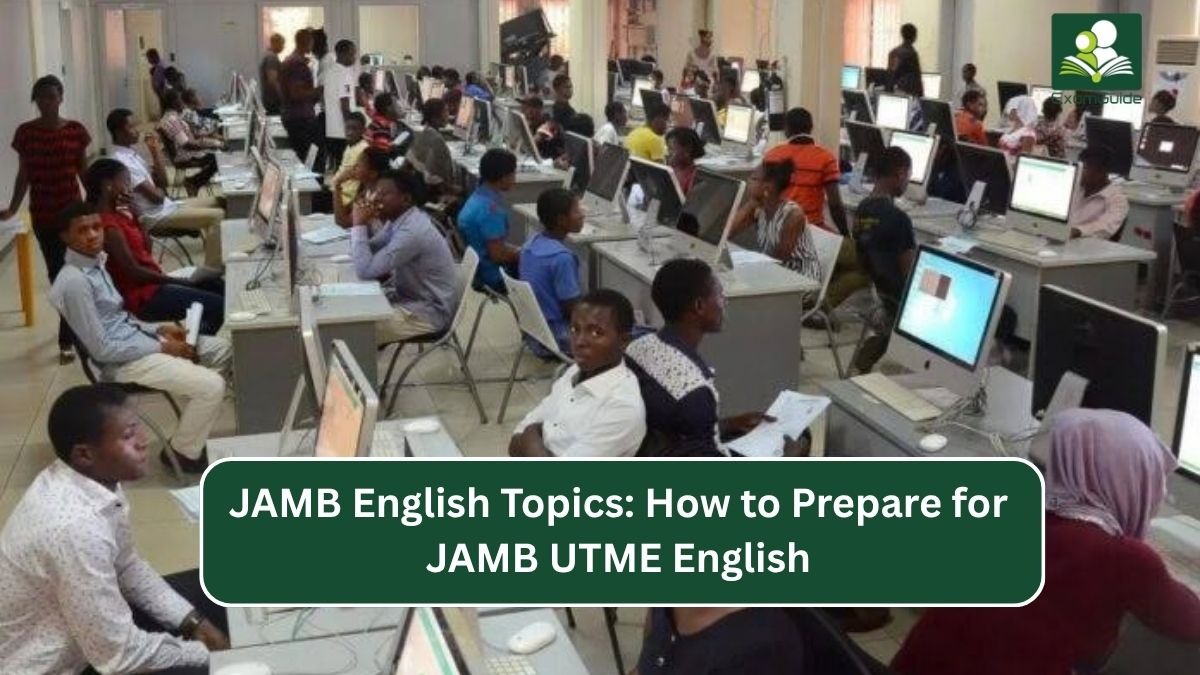
JAMB English Topics: How to Prepare for JAMB UTME English
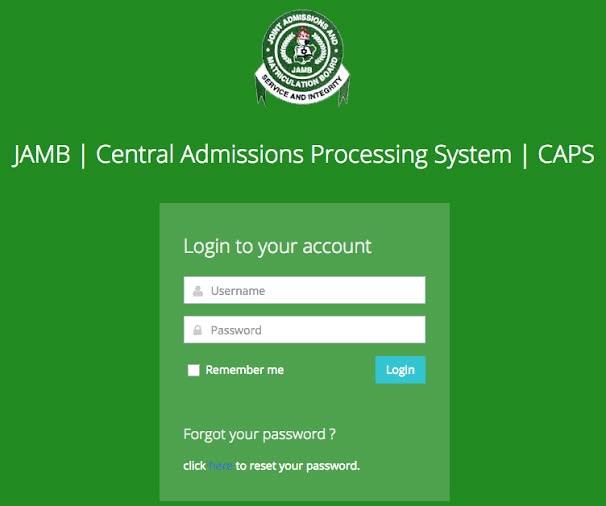
How JAMB CAPS Works: A Step-by-Step Guide to Accepting Your Admission Offer

JAMB Says "Old O’Level Uploads Remain Valid", Clarifies New Verification Method

JAMB Candidates Can Now Verify O'Level Results from Home