


Direct Entry vs UTME: Comparing Admission Routes for Nigerian University Applicants
Gaining admission into a Nigerian university begins with understanding the admission route that matches your educational qualifications. For most prospective students, the two main routes to consider are the Unified Tertiary Matriculation Examination (UTME) and Direct Entry (DE), both administered through the Joint Admissions and Matriculation Board (JAMB).
Although both routes can lead to an undergraduate degree, they are designed for candidates with different educational backgrounds. UTME is the usual route for candidates seeking admission into the first year of a university programme, while Direct Entry provides an admission pathway for eligible candidates who already possess recognised advanced qualifications, such as a National Diploma, Nigeria Certificate in Education, JUPEB or IJMB qualification.
However, choosing between the two is not simply a matter of deciding which route is faster. Your existing qualifications, intended course, preferred university and the institution's current admission requirements all influence which route you can use.
This guide explains the differences between Direct Entry and UTME, the qualifications accepted for Direct Entry, the application process, common misconceptions and the checks you should complete before making a decision.
Table of Content
What Is the Difference Between Direct Entry and UTME?
What Is Direct Entry Admission?
Who Is Eligible to Apply Through Direct Entry?
Can You Apply Through UTME If You Already Have a Diploma?
What Are the Main Differences Between Direct Entry and UTME?
How Do You Apply Through UTME?
How Do You Apply Through Direct Entry?
Common Misconceptions About Direct Entry and UTME
Which Admission Route Should You Choose?
How ExamGuide Can Support Your Admission Preparation
Frequently Asked Questions About Direct Entry vs UTME
What Is the Difference Between Direct Entry and UTME?
UTME and Direct Entry are two admission routes through which eligible candidates can apply for undergraduate admission in Nigerian universities.
What Is UTME Admission?
UTME is the standard route for candidates who want to begin a university degree at the entry level, commonly 100 Level.
Candidates register for the UTME through JAMB, select their preferred institutions and courses, choose the required examination subjects, and sit for the computer based examination. They must also satisfy the relevant O'Level requirements and any additional screening conditions established by their chosen universities.
For example, a secondary school student who has completed WAEC or NECO and wants to study Accounting at a university will ordinarily apply through UTME, provided the student meets the age, subject combination and other admission requirements.
UTME candidates are assessed using their examination results alongside other applicable admission criteria. Meeting a university's minimum UTME score does not automatically guarantee admission because the institution may consider other requirements, including programme capacity and its screening process.
Candidates preparing for this route can use ExamGuide's UTME practice resources alongside their textbooks and official syllabus to strengthen their subject knowledge before the examination.
What Is Direct Entry Admission?
Direct Entry is an admission route for candidates who possess recognised qualifications beyond the usual secondary school certificate requirements and want to progress into a university degree programme.
Depending on the university and course, eligible candidates may be considered for admission into 200 Level or another approved entry point. The actual entry level depends on the institution's regulations and the relevance and level of the applicant's qualification.
For instance, someone who has obtained a National Diploma in a relevant discipline from a recognised institution may be eligible to apply for Direct Entry into a related university programme. A candidate with a suitable JUPEB or IJMB qualification may also qualify, provided the university accepts that qualification and the candidate meets its subject and grade requirements.
Direct Entry applicants still need to satisfy the applicable O'Level requirements and follow JAMB's registration and verification procedures. They must also meet the admission conditions of their chosen institution.
The key distinction is that UTME candidates generally seek entry into the first year of a degree programme, while Direct Entry candidates apply using additional recognised qualifications that may make them eligible for advanced entry.
Who Is Eligible to Apply Through Direct Entry?
Not every candidate needs to write UTME, and not every qualification makes someone eligible for Direct Entry. The first step is to identify the qualification you possess and confirm whether JAMB and your intended university recognise it for your proposed course.
JAMB's published Direct Entry requirements include several categories of recognised qualifications. However, acceptance depends on the applicable admission rules, the course and the institution.
1. National Diploma and Higher National Diploma Holders
Candidates with a National Diploma (ND) or Higher National Diploma (HND) may be eligible for Direct Entry into related degree programmes.
For example, an ND holder in Business Administration may investigate Direct Entry into Business Administration or another closely related programme. An HND holder may also explore degree options relevant to their qualification.
However, universities can specify minimum grades, such as Upper Credit, and may restrict the programmes for which a particular diploma is accepted. Some institutions do not accept certain grades or qualifications for particular courses.
The fact that you hold an ND or HND does not mean you automatically qualify for every course. Check the requirements for your exact qualification and intended programme.
2. Nigeria Certificate in Education Holders
The Nigeria Certificate in Education (NCE) is another qualification that may support a Direct Entry application, particularly for relevant education programmes and other courses that accept the qualification.
An NCE holder should check whether the subjects studied, grades obtained and teaching specialisation align with the intended university programme. A university may require a particular grade or relevant subject combination before considering the application.
Do not assume that an NCE in one subject area will automatically qualify you for a degree in an unrelated discipline.
3. JUPEB and IJMB Candidates
The Joint Universities Preliminary Examinations Board (JUPEB) and the Interim Joint Matriculation Board (IJMB) offer advanced level preparation programmes that can provide a route to Direct Entry admission.
Candidates study approved subjects and sit for the relevant examinations. The results may be used to apply for Direct Entry into a suitable university programme.
However, the required subjects and grades matter. A candidate seeking admission into Engineering, for example, should confirm that the subjects and results satisfy the intended university's requirements.
Candidates should also confirm that their preferred university accepts the qualification. Passing JUPEB or IJMB does not guarantee admission into every university or course.
4. A'Level and Other Recognised Qualifications
Some candidates possess Cambridge A'Level certificates, other recognised advanced qualifications or previous university degrees. Depending on the applicable JAMB requirements and the university's admission policy, these qualifications may support a Direct Entry application.
Candidates should confirm the status of their particular certificate, the required subjects and grades, and any verification procedures.
For current guidance, consult the official JAMB website and the admission requirements published by the institution you intend to attend.
Can You Apply Through UTME If You Already Have a Diploma?
Having a diploma does not automatically mean that you must apply through Direct Entry. Your available options depend on the qualification you possess and the rules of the university and course.
Some candidates with additional qualifications may still choose to apply through UTME if they satisfy the relevant entry requirements. Others may find that Direct Entry is the more suitable route because their qualification is recognised for their intended programme.
Before making a decision, compare the requirements for both routes. Check whether your diploma is accepted for Direct Entry, whether the university requires a particular grade, and whether you meet the O'Level subject requirements.
You should also consider the entry level offered to candidates with your qualification. Do not assume that all Direct Entry candidates enter 200 Level or that every university will grant the same level of placement.
If you are unsure, contact the admissions office of your preferred university and confirm the position before paying for an application.
What Are the Main Differences Between Direct Entry and UTME?
The two routes differ in their entry requirements, examination process and the qualifications used to assess candidates.
Entry Qualifications
UTME is generally intended for candidates seeking entry into the first year of a degree programme using their secondary school qualifications and UTME performance.
Direct Entry is intended for eligible candidates with additional recognised qualifications, such as ND, HND, NCE, JUPEB, IJMB or relevant A'Level results.
Both routes require candidates to satisfy the applicable O'Level requirements. The exact subjects and grades depend on the course and institution.
Examination and Assessment
UTME candidates sit for JAMB's computer based examination in their selected subjects. Their scores form part of the admission assessment.
Direct Entry candidates apply using their recognised qualifications and may be required to provide certificates, statements of results, transcripts or other evidence for verification. Universities may also conduct screening exercises or impose additional admission conditions.
Direct Entry should not be understood as a route without assessment. The institution still needs to establish whether the applicant meets its requirements.
Candidates preparing for UTME can practise with ExamGuide's examination practice resources to become more familiar with question formats and strengthen their understanding of relevant subjects.
Entry Level and Programme Duration
UTME candidates usually begin at 100 Level, while eligible Direct Entry candidates may be considered for 200 Level or another approved level.
This can affect the remaining duration of a degree programme. Nevertheless, the entry level and programme duration are determined by the institution and course. Some qualifications may not be accepted for advanced placement, even if they are recognised for other programmes.
Documents and Verification
UTME candidates generally need their JAMB registration details, O'Level results and other information required for screening.
Direct Entry applicants may need additional documents, including their ND, HND or NCE certificates, JUPEB or IJMB results, academic transcripts, registration or matriculation details, and information about the awarding institution.
JAMB's current procedures and the university's admission notice should guide the exact documents required. Candidates should prepare accurate records and ensure that their qualifications can be verified.
How Do You Apply Through UTME?
If UTME is the appropriate route for your qualifications, follow these general steps.
First, confirm your course requirements. Check the O'Level subjects, required UTME subject combination and other admission conditions for your chosen programme and institution. Use official JAMB resources and the university's admission information rather than relying only on advice from friends or social media.
Second, complete JAMB registration. Follow the current registration instructions, including the requirements for your profile and registration at an approved centre. Select your institution, course and examination subjects carefully.
Third, prepare for the examination. Study the relevant syllabus for each subject, practise questions and identify areas where you need further explanation. Candidates should develop a realistic revision plan rather than concentrating only on questions they have seen before.
Fourth, complete the university's screening process. After the examination, monitor announcements from your chosen institution. Follow the instructions for post UTME or other screening procedures where applicable, and provide the requested information before the stated deadline.
Candidates can use ExamGuide's UTME learning resources to support their revision and reinforce topics that require additional practice.
How Do You Apply Through Direct Entry?
Direct Entry applicants should take a different set of preparatory steps because their qualifications must match the intended programme.
1. Confirm That Your Qualification Is Accepted
Identify the exact qualification you possess and check whether JAMB recognises it for Direct Entry. Then confirm whether your preferred university accepts it for your intended course.
Pay attention to minimum grades, subject requirements, the relevance of your qualification and the entry level the university offers.
2. Check Your O'Level Requirements
Direct Entry applicants must still meet the applicable O'Level requirements. Check the number of credits required, the accepted subjects and the permitted number of sittings.
Some courses have stricter requirements than others. For example, programmes in Medicine and other competitive fields may have specific subject and result conditions.
3. Complete the Current JAMB Direct Entry Registration
Follow the official JAMB instructions for the applicable admission cycle. You may need to provide details of the institution where you obtained your qualification, your registration or matriculation number, the qualification awarded and the year of award.
JAMB's published guidance also highlights the importance of verifying qualifications and ensuring that the relevant awarding institutions provide the required information.
- Submit the Required Documents
Prepare the documents requested by JAMB and your chosen university. These may include your O'Level results, advanced qualification certificate or statement of result, academic transcript and other supporting records.
Where a transcript must be sent directly by the awarding institution, follow the university's instructions. Do not wait until the final screening stage to discover that an important document is missing.
5. Complete University Screening and Monitor Your Application
After registering, follow your university's Direct Entry screening procedure. Check your application status regularly and respond to requests for further information.
Meeting the basic requirements allows your application to be considered, but admission remains subject to the institution's selection process and available spaces.
Common Misconceptions About Direct Entry and UTME
Several assumptions can cause candidates to make the wrong admission decision.
Misconception 1: Direct Entry guarantees admission into 200 Level. Not every applicant receives 200 Level placement. The university determines the appropriate entry level based on its regulations and the candidate's qualifications.
Misconception 2: Every university accepts JUPEB and IJMB. Institutions have different admission policies. A university may accept one qualification and not another, or may accept it only for specified courses.
Misconception 3: HND holders can apply for any degree programme. The relevance of the HND, the grade obtained and the institution's rules all matter. Some programmes impose additional restrictions.
Misconception 4: Direct Entry candidates do not need O'Level credits. Direct Entry applicants must still satisfy the relevant O'Level requirements for their course and institution.
Misconception 5: UTME is always the better route because it is more familiar. The appropriate route depends on your existing qualifications and the requirements of your intended programme. A candidate with a recognised advanced qualification should investigate Direct Entry before deciding.
Which Admission Route Should You Choose?
Use the following checklist to decide which route to investigate first.
UTME may be the appropriate route if:
- You have completed or are completing your secondary school education and meet the relevant entry requirements.
- You do not possess a recognised advanced qualification for Direct Entry.
- You intend to begin your degree programme at 100 Level.
- You are prepared to sit for the UTME and complete the applicable university screening process.
Direct Entry may be worth investigating if:
- You possess an ND, HND, NCE, JUPEB, IJMB, A'Level or another potentially recognised qualification.
- Your qualification is relevant to your intended degree programme.
- You meet the required grades and O'Level subject conditions.
- Your chosen university accepts your qualification for Direct Entry and offers an entry level suitable for your background.
If neither list clearly describes your situation, contact JAMB or the university's admissions office for clarification before registering.
How ExamGuide Can Support Your Admission Preparation
ExamGuide is a learning and examination practice resource that can help candidates prepare for the academic requirements associated with their admission plans.
For UTME candidates, structured question practice and explanations can help reinforce concepts, improve familiarity with examination questions and reveal topics that need more revision.
Candidates who are preparing for relevant secondary school examinations can also use ExamGuide's practice resources to strengthen their O'Level knowledge. This is useful because both UTME and Direct Entry applicants must satisfy the applicable secondary school result requirements.
However, ExamGuide does not determine whether a candidate is eligible for admission. Candidates must verify their qualifications, subject combinations and application procedures through JAMB and their chosen institutions.
Start practicing UTME with ExamGuide Today.
Frequently Asked Questions About Direct Entry vs UTME
1. Is Direct Entry better than UTME?
Neither route is universally better. Direct Entry may suit candidates with recognised advanced qualifications, while UTME is generally suitable for candidates seeking entry into the first year of a degree programme. The best option depends on your qualifications and the requirements of your intended university and course.
2. Can I gain university admission without writing UTME?
Eligible candidates may apply through Direct Entry without taking the UTME for that admission application, provided they meet the applicable JAMB and institutional requirements. They must still complete the required registration, verification and screening procedures.
3. Does Direct Entry guarantee admission into 200 Level?
No. Although many Direct Entry applicants seek admission into 200 Level, the entry level depends on the institution, course and qualification presented. Confirm the placement policy before applying.
4. Can an HND holder apply for Direct Entry?
An HND holder may be eligible if JAMB and the chosen university recognise the qualification for the intended programme. The university may specify the required grade and restrict admission to related disciplines.
5. Can an NCE holder apply for Direct Entry into a course outside Education?
Possibly, but it depends on the university, the course and the relevance of the NCE subjects. The candidate should verify the accepted qualifications and required grades for the intended programme.
6. Can I use JUPEB or IJMB to apply to any Nigerian university?
Not automatically. You must confirm that your preferred university accepts the qualification and that your subjects and grades meet the requirements for your chosen course. Some institutions impose specific point or subject requirements.
7. Do Direct Entry candidates need WAEC or NECO results?
Direct Entry candidates generally need to meet the relevant O'Level requirements, including the prescribed credits in required subjects. The exact requirements and permitted number of sittings depend on the course and institution.
8. Can I change from UTME to Direct Entry after registration?
Do not assume that you can simply change routes at any stage. JAMB has specific registration procedures and conditions for the applicable admission cycle. Check the current official guidance before attempting to change your application route.
9. Do Direct Entry candidates write post UTME examinations?
Some universities require Direct Entry applicants to participate in screening exercises, while the format and conditions vary by institution. Check the admission notice for your chosen university to establish what is required.
10. Where can I confirm the current Direct Entry and UTME requirements?
Start with the official JAMB website and its Integrated Brochure and Syllabus System. Then check the admission page of your preferred university for course specific requirements, accepted qualifications, screening dates and document submission instructions.
Conclusion
Choosing between Direct Entry and UTME requires an honest assessment of your qualifications and a careful review of admission requirements. UTME is the usual route for candidates seeking entry into the first year of a degree programme, while Direct Entry provides an opportunity for eligible candidates with recognised advanced qualifications to apply for advanced entry.
Neither route guarantees admission. Your O'Level results, subject requirements, qualification grades, institutional policies and screening performance can all influence the outcome.
Before registering, confirm that your chosen course accepts your qualification, verify the current JAMB requirements and review the university's admission instructions. If you are eligible for more than one route, compare the conditions and entry levels before deciding.
A well informed decision can help you avoid unnecessary application costs, prevent errors and choose an admission route that fits your academic background and long term educational goals.
No comment found
Related Posts

JAMB Syllabus vs Past Questions: How to Use Both Without Leaving Important Topics Out
JAMB Subject Combination for Competitive Courses: Requirements for Medicine, Law, Engineering and Computer Science

What Happens After Writing JAMB UTME? A Complete Guide from UTME Result to Admission
JAMB English Topics: How to Prepare for JAMB UTME English
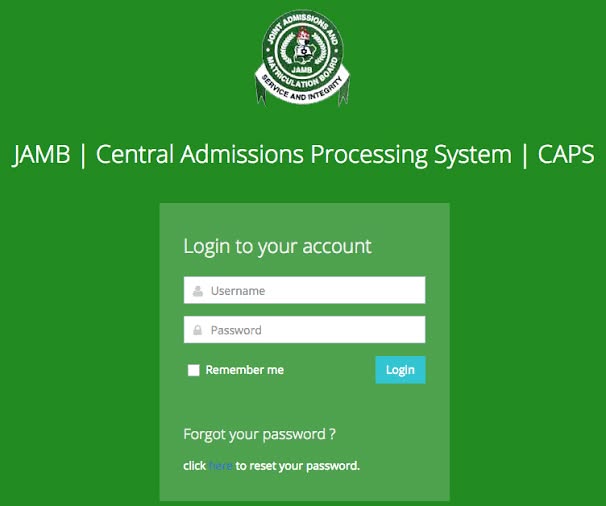
How JAMB CAPS Works: A Step-by-Step Guide to Accepting Your Admission Offer