

JAMB Subject Combination for Competitive Courses: Requirements for Medicine, Law, Engineering and Computer Science
Choosing the correct JAMB UTME subject combination is one of the most important steps in preparing for university admission in Nigeria. For candidates interested in competitive courses such as Medicine and Surgery, Law, Engineering and Computer Science, getting this decision right is particularly important because each programme has specific admission requirements.
Some candidates select subjects based on what their friends are registering for, while others assume that choosing science subjects automatically qualifies them for any science related course. Unfortunately, these assumptions can lead to problems during admission screening, even when a candidate has a good UTME score.
The Joint Admissions and Matriculation Board (JAMB) provides an official Integrated Brochure and Syllabus System, known as IBASS, where candidates can check the requirements for different programmes and institutions. JAMB specifically advises candidates to verify their subject combinations before applying.
This guide explains the commonly required JAMB subject combinations for Medicine and Surgery, Law, Engineering and Computer Science, the difference between UTME subjects and O'Level requirements, and how to confirm that your choices meet the requirements of your preferred university.
Table of Content
What Is a JAMB Subject Combination?
What Is the JAMB Subject Combination for Medicine and Surgery?
What Is the JAMB Subject Combination for Law?
What Is the JAMB Subject Combination for Engineering?
What Is the JAMB Subject Combination for Computer Science?
How to Confirm Your JAMB Subject Combination Before Registration
What Happens If You Choose the Wrong JAMB Subject Combination?
What Common Mistakes Should JAMB Candidates Avoid?
How Should Parents and School Counsellors Help Students Choose?
How Can ExamGuide Help You Prepare After Confirming Your Subjects?
Frequently Asked Questions About JAMB Subject Combinations
What Is a JAMB Subject Combination?
A JAMB subject combination is the set of four subjects a candidate registers to write in the Unified Tertiary Matriculation Examination (UTME) for a particular course.
English Language is compulsory for every UTME candidate. The other three subjects depend on the course and institution the candidate intends to apply to.
For example, a candidate applying for Medicine and Surgery would generally select English Language, Biology, Chemistry and Physics. A candidate applying for Engineering would generally select English Language, Mathematics, Physics and Chemistry.
These combinations are not interchangeable. A candidate who selects the wrong subjects may fail to meet the eligibility requirements for a course, regardless of how well they perform in the examination.
Before you begin preparing for your chosen subjects, confirm the UTME combination required for your course and university.
Explore JAMB preparation resources on ExamGuide
What Is the JAMB Subject Combination for Medicine and Surgery?
Medicine and Surgery is one of the most sought after university courses in Nigeria. Candidates who intend to study it should pay close attention to both their UTME subject combination and their O'Level results.
The commonly required JAMB UTME subjects for Medicine and Surgery are:
- English Language: This is compulsory for every UTME candidate and is required for Medicine and Surgery.
- Biology: Biology provides foundational knowledge about living organisms, human systems and biological processes.
- Chemistry: Chemistry is important for understanding substances, chemical reactions and processes relevant to medical science.
- Physics: Physics develops an understanding of physical principles that are relevant to medical equipment, measurement and several areas of medical science.
This combination is supported by the commonly published requirements for Medicine and Surgery. However, candidates should verify the exact entry for their preferred institution using the official JAMB brochure.
What O'Level Subjects Are Required for Medicine and Surgery?
The UTME subject combination is separate from the O'Level requirements. For Medicine and Surgery, candidates commonly need at least five credit passes in English Language, Mathematics, Biology, Chemistry and Physics, subject to the institution's current requirements.
A candidate who has the correct UTME subjects but lacks a required O'Level credit may still be ineligible for admission.
For example, if a candidate writes English Language, Biology, Chemistry and Physics in JAMB but has an inadequate O'Level grade in Chemistry, the candidate may not meet the admission requirements for Medicine and Surgery.
This is why students should check both sets of requirements before registration.
What Is the JAMB Subject Combination for Law?
Candidates interested in Law need to understand that the course has different subject requirements from science based programmes. Studying Law requires strong reading comprehension, analytical thinking, interpretation and communication skills.
The commonly prescribed UTME subjects for Law are:
- English Language: This is compulsory and particularly important because legal education involves extensive reading, writing and interpretation.
- Literature in English: This is commonly required and develops skills in textual interpretation, language and critical analysis.
- Government or another approved Arts or Social Science subject.
- Another approved Arts or Social Science subject, according to the applicable institutional requirements.
The exact combination should be confirmed on IBASS for the university and admission year you are targeting. Do not assume that any three Arts subjects will automatically satisfy every university's requirements.
What O'Level Subjects Are Required for Law?
Law candidates commonly need five O'Level credit passes, including English Language and Literature in English, alongside other subjects accepted by the institution. Mathematics and the remaining subjects must meet the institution's stated requirements.
For example, a candidate interested in Law may have strong grades in Government, Economics and History but a grade below the required level in Literature in English. Depending on the applicable admission rules, that result could prevent the candidate from meeting the requirements.
Therefore, choosing the right UTME combination is only one part of preparing for Law. Your O'Level subjects and grades also matter.
What Is the JAMB Subject Combination for Engineering?
Engineering covers several specialisations, including Civil Engineering, Mechanical Engineering, Electrical and Electronics Engineering, Chemical Engineering and Computer Engineering.
Although the specialisations differ, many conventional Engineering programmes require a strong foundation in Mathematics and the physical sciences.
The commonly required UTME subject combination is:
- English Language: This is compulsory for all UTME candidates.
- Mathematics: Mathematics is fundamental to calculations, modelling and solving engineering problems.
- Physics: Physics provides the foundation for understanding mechanics, electricity, energy and other physical principles used in engineering.
- Chemistry: Chemistry is commonly required and is particularly relevant to materials, chemical processes and several engineering specialisations.
This is the standard combination for many Engineering programmes, but candidates should check the exact requirements for their intended specialisation and university.
Do All Engineering Courses Have the Same Subject Combination?
Not necessarily. Engineering is a broad field, and institutions may specify requirements according to the programme.
For example, a candidate applying for Chemical Engineering should pay particular attention to Chemistry, while someone applying for Electrical and Electronics Engineering should be comfortable with Mathematics and Physics.
However, you should not assume that a course's name alone tells you its full admission requirements. The official brochure and the institution's admission information should guide your final decision.
What O'Level Subjects Are Required for Engineering?
Engineering candidates commonly need five O'Level credit passes, including English Language, Mathematics, Physics and Chemistry, together with the additional subject required by the institution.
A candidate with excellent Mathematics and Physics results but an insufficient Chemistry grade may fail to meet the requirements of a programme that requires credit passes in all three science subjects.
Check your O'Level results alongside your UTME combination before registering.
What Is the JAMB Subject Combination for Computer Science?
Computer Science is a popular choice among students interested in software development, programming, data analysis, artificial intelligence, cybersecurity and other computing fields.
Although Computer Science involves technology, it is not simply about knowing how to use computers. University programmes often involve mathematical reasoning, algorithms, programming, logic and the theoretical principles behind computing systems.
The commonly prescribed UTME combination is:
- English Language: This is compulsory for every UTME candidate.
- Mathematics: Mathematics is essential for logical reasoning, computational thinking and several areas of computer science.
- Physics: Physics is commonly required by many universities offering Computer Science.
- One other approved subject, which may include Chemistry, Biology, Agricultural Science, Economics or Geography, depending on the applicable requirements.
The fourth subject is particularly important to verify because subject combinations may vary between institutions. Candidates should not assume that every university accepts the same optional subject.
What O'Level Subjects Are Required for Computer Science?
Computer Science candidates commonly need five O'Level credit passes, including English Language, Mathematics, Physics and other relevant science subjects specified by the institution.
Some institutions may have specific requirements concerning Chemistry or another science subject. Therefore, candidates should check the O'Level requirements for their preferred university instead of relying only on the general subject combination.
Once you have confirmed your combination, practise the relevant subjects regularly to strengthen your understanding before the UTME.
Practise JAMB UTME questions with ExamGuide
What Is the Difference Between UTME Subjects and O'Level Requirements?
This is one of the most important distinctions candidates must understand.
UTME subject combination refers to the four subjects you register to write in JAMB. O'Level requirements refer to the subjects and grades you must have in an accepted secondary school examination, such as WAEC WASSCE, NECO SSCE or NABTEB.
The two requirements work together, but they are not the same.
Consider a candidate applying for Medicine and Surgery. The candidate may register for English Language, Biology, Chemistry and Physics in JAMB. However, the candidate must also meet the institution's O'Level requirements, which commonly include credit passes in English Language, Mathematics, Biology, Chemistry and Physics.
Passing the UTME subjects does not automatically replace missing O'Level credits.
JAMB's admission information sets out general entry requirements for degree programmes, while its IBASS Eligibility Checker allows candidates to select an institution, programme and O'Level subjects to check eligibility.
How to Confirm Your JAMB Subject Combination Before Registration
Before registering for JAMB UTME, it is important to confirm that the subjects you intend to write meet the requirements for your chosen course and institution. You should not rely solely on subject combinations you find online or recommendations from friends because requirements can vary between institutions and courses.
You can use the JAMB Integrated Brochure and Syllabus System (IBASS) Eligibility Checker to confirm your subject combination before registration.
Follow these steps:
- Visit the official JAMB IBASS Eligibility Checker.
- Select UTME as your mode of entry.
- Choose the appropriate institution type and select the university or other institution you intend to attend.
- Select your intended course of study. For example, if you want to study Food Science and Technology, search for and select that course.
- Enter your O'Level subjects and grades as requested. If you are awaiting your results, follow the instructions provided on the platform.
- Check the UTME subject combination displayed or required by the checker. English Language is compulsory, and you must select the other subjects according to the requirements shown for your chosen course and institution.
- Click the eligibility check button and review the result. If the system indicates that your selected subjects do not meet the requirements, read the feedback carefully and adjust your combination according to the subjects specified by IBASS.
For example, if you intend to study Computer science and the checker indicates that your selected combination does not meet the requirements, do not proceed with the same combination based on what you have seen elsewhere. Check the subjects specified by IBASS and confirm that your final selection matches the requirements for your intended course and institution.
The important thing is to check before you register. This gives you the opportunity to identify and correct any errors in your subject combination before sitting for UTME. Remember that meeting the subject requirements does not guarantee admission, as you must also satisfy the institution's other admission requirements.
What Happens If You Choose the Wrong JAMB Subject Combination?
Selecting an unsuitable combination can affect your admission eligibility even if you obtain a high UTME score.
For example, imagine a candidate who wants to study Medicine and Surgery but registers for English Language, Mathematics, Physics and Economics instead of the commonly required Biology and Chemistry combination. The candidate may perform well in the examination but still fail to meet the course's subject requirements.
The same problem can occur when a Law candidate chooses a combination that does not meet the requirements of the preferred university.
If you discover a mistake before completing registration, consult the approved registration process and confirm the correct combination before finalising your application. If you have already registered, contact JAMB or an authorised support channel promptly to establish whether a correction is permitted and what procedure applies.
Do not assume that you can change your subjects at any time or that a high score will compensate for an incorrect combination.
What Common Mistakes Should JAMB Candidates Avoid?
Several mistakes can create avoidable problems during admission.
1. Copying a Friend's Subject Combination
Your friend's combination may be correct for their course but unsuitable for yours. Even when two candidates intend to study related courses, their requirements may differ.
2. Assuming Every University Has Identical Requirements
A course offered by different institutions may have variations in its listed requirements. Always verify the specific institution and programme.
3. Confusing O'Level Subjects With UTME Subjects
Having the right WAEC subjects does not automatically mean you have selected the right UTME subjects. Check both separately.
4. Ignoring the Fourth Subject
Some candidates focus on the first three subjects and select the fourth without checking the requirements. Since all four subjects form part of the UTME, the fourth subject matters.
5. Focusing Only on the Cut Off Mark
Meeting a general score threshold does not guarantee admission. Subject combinations, O'Level grades, programme specific requirements and institutional selection processes also matter.
6. Waiting Until Registration to Research Requirements
Students should begin checking requirements while choosing their senior secondary school subjects, not only when JAMB registration opens.
How Should Parents and School Counsellors Help Students Choose?
Parents and counsellors can help students make informed decisions by connecting their subject choices to their educational plans.
If a student is interested in Medicine, for example, begin by checking the requirements for Medicine and Surgery at the institutions the student is considering. Then review the student's current science subjects and O'Level performance to identify any gaps.
For students who are undecided about their future course, discuss their strengths, interests and possible career paths before registration. A student who enjoys Mathematics and Physics may be interested in Engineering, but it is still important to understand the requirements of individual programmes.
Counsellors should also encourage students to use official admission resources and avoid relying entirely on unofficial lists shared through social media or messaging groups.
The objective is to make subject selection a planned decision rather than a last minute guess.
How Can ExamGuide Help You Prepare After Confirming Your Subjects?
Once you have confirmed your JAMB subject combination, the next step is to prepare systematically for the four subjects you will write.
ExamGuide can support this process through examination practice resources, past questions and explanations that help candidates test their understanding and identify topics that need more attention.
For example, a candidate preparing for Medicine and Surgery can organise revision around English Language, Biology, Chemistry and Physics. After studying a topic in Chemistry, the candidate can practise related questions, review incorrect answers and revisit the areas that remain difficult.
A Law candidate can use a similar approach for English Language and the relevant Arts or Social Science subjects, while an Engineering candidate can focus on Mathematics, Physics and Chemistry alongside English Language.
Practising consistently helps you become familiar with examination style questions. However, candidates should always use the current syllabus and the correct subject combination for their chosen course.
Make your preparation more focused by practising the subjects you will actually write.
Explore JAMB UTME practice on ExamGuide
Conclusion
Choosing the correct JAMB subject combination is a foundational step towards university admission. Medicine and Surgery commonly requires English Language, Biology, Chemistry and Physics. Engineering commonly requires English Language, Mathematics, Physics and Chemistry. Law and Computer Science have their own subject requirements, which candidates must confirm for their preferred institutions.
Do not rely on assumptions or copy another candidate's choices. Check the official JAMB IBASS Eligibility Checker, confirm the requirements published by your preferred university and make sure your O'Level subjects and grades meet the relevant conditions.
Parents and school counsellors can support this process by helping students research their options early and connect subject choices with realistic educational goals.
After confirming the correct combination, focus on consistent preparation. Study the relevant syllabus, practise examination style questions, review your mistakes and work on your weaker topics.
Frequently Asked Questions About JAMB Subject Combinations
1. What are the JAMB subjects for Medicine and Surgery?
The commonly required subjects are English Language, Biology, Chemistry and Physics. Candidates should verify the exact requirements for their preferred institution on the official JAMB IBASS Eligibility Checker.
2. What is the JAMB subject combination for Law?
The commonly prescribed combination includes English Language, Literature in English and two other approved Arts or Social Science subjects. The exact combination must be confirmed for the selected university.
3. What are the JAMB subjects for Engineering?
Many Engineering programmes require English Language, Mathematics, Physics and Chemistry. Candidates should confirm the requirements for their specific Engineering specialisation and institution.
4. What is the JAMB subject combination for Computer Science?
A common combination is English Language, Mathematics, Physics and one other approved subject. The fourth subject can vary according to the institution, so candidates should check IBASS before registering.
5. Is Mathematics compulsory for Computer Science in JAMB?
Mathematics is commonly required for Computer Science and is fundamental to the subject. Candidates should verify the official requirements for their preferred programme and institution.
6. Can I change my JAMB subject combination after registration?
Whether a correction is possible depends on the applicable JAMB registration and correction procedures. Candidates who discover a mistake should contact JAMB or an authorised support channel promptly rather than assuming a change will be permitted.
7. Are JAMB subject combinations the same for every university?
No. Although many courses have common combinations, requirements can differ between institutions. Candidates should verify their exact course and university using the official JAMB brochure and the institution's admission information.
8. What is the difference between JAMB subjects and O'Level requirements?
JAMB subjects are the four subjects candidates write in the UTME. O'Level requirements are the secondary school subjects and grades required for admission. Candidates must satisfy both sets of requirements.
9. Can I gain admission with a high JAMB score but the wrong subject combination?
A high UTME score does not automatically correct an unsuitable subject combination. Candidates must meet the subject and other admission requirements for their intended programme.
10. Where can I check my JAMB subject combination and practise questions?
Use the official JAMB IBASS Eligibility Checker to verify the required subjects and O'Level conditions for your chosen course and institution. After confirming your subjects, you can use ExamGuide to practise relevant UTME questions and strengthen your preparation.
No comment found
Related Posts

JAMB Syllabus vs Past Questions: How to Use Both Without Leaving Important Topics Out

Direct Entry vs UTME: Comparing Admission Routes for Nigerian University Applicants

What Happens After Writing JAMB UTME? A Complete Guide from UTME Result to Admission
JAMB English Topics: How to Prepare for JAMB UTME English
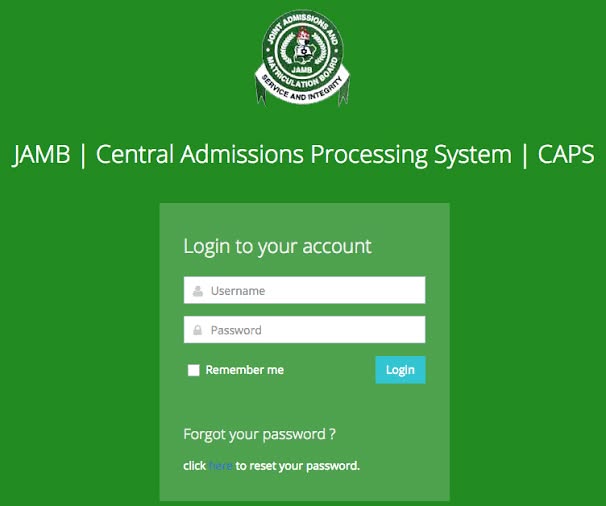
How JAMB CAPS Works: A Step-by-Step Guide to Accepting Your Admission Offer